192.168.10.1 Admin Login – Panel Access & Setup
Every home or office network has a control center running quietly in the background the router. Whether you want to change your WiFi password, fix a connection problem, or just check what’s going on with your settings, you need to get into the router’s admin panel first.
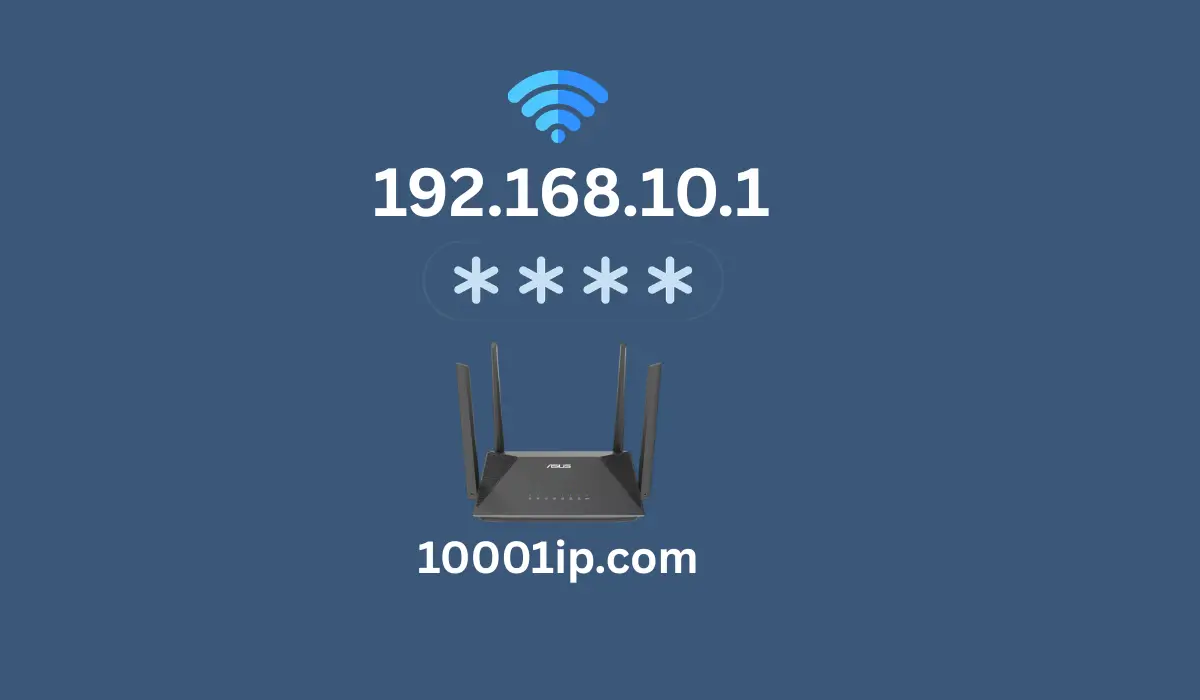
192.168.10.1 is one of the addresses many routers use to open that admin panel. Type it into your browser, and you land on the login page where you can manage almost everything on your network.
What Is 192.168.10.1?
192.168.10.1 is a private IP address. It’s not something you’ll ever see out on the open internet it only works inside your own local network, which is exactly why it’s considered safe to use. Router manufacturers picked private addresses like this one on purpose, so outsiders can’t reach your settings from outside your home or office.
Once you’re logged in through this address, you land in the router’s web-based management interface. From there, you can:
- Manage and change WiFi settings
- Update or change your password
- View and manage connected devices
- Configure parental controls
- Update your router’s firmware
- Improve your overall network security
I’ve used this same address to set up routers for friends and family more times than I can count, and it’s almost always the first stop before anything else gets done.
How to Access the 192.168.10.1 Login Portal
Getting into the admin page isn’t complicated, but each step matters:
- Connect to the router through WiFi or an Ethernet cable. You need to be on the same network as the router.
- Open a web browser Chrome, Edge, Firefox, or Safari all work fine.
- Type the address enter 192.168.10.1 into the address bar and press enter.
- Log in enter the username and password from your router manufacturer.
- Access the dashboard once authenticated, you’ll land on the admin dashboard, where all router settings live.
Common Default Login Credentials
Most routers ship with factory default login credentials that a lot of people never bother to change which, honestly, is where a good chunk of home network security problems start. If you haven’t set your own yet, try these first:
| Username | Password |
|---|---|
| admin | admin |
| admin | password |
| admin | 1234 |
| user | user |
| admin | (blank) |
| root | admin |
If none of these work, check the label on your router the default credentials are usually printed right on the device.
What Can You Do After Logging In?
Once you’re inside the admin panel, there’s a real list of things worth doing not just browsing around:
- Change the WiFi name (SSID) go to Wireless Settings and rename your network to something you’ll recognize.
- Update your WiFi password use a mix of uppercase letters, lowercase letters, numbers, and special characters. A weak password is basically an open door.
- View connected devices spot unknown devices or ones eating your bandwidth before they slow everything down.
- Set up a guest network keeps visitors separate from your main network and improves privacy.
- Turn on parental controls block websites, filter content, and restrict usage hours.
- Update your firmware official updates patch security vulnerabilities, improve stability, and boost performance.
How to Find Your Router’s IP Address
Not every router uses 192.168.10.1 gateway addresses vary by brand and model. Here’s how to check yours:
- Windows Press Windows+R, type
cmd, hit enter, then runipconfigand look for “Default Gateway.” - Android Go to Settings > WiFi > tap your network > check the gateway information.
- iPhone Go to Settings > WiFi > tap your network > look for router information.
Common Login Problems and Solutions
| Problem | Solution |
|---|---|
| Incorrect IP address | Double-check for typos; copy and paste instead of typing |
| Forgot username or password | Check the router label, or look for saved login details in your browser |
| Browser issues | Clear cache and cookies, try private mode, or switch browsers |
| Connection problems | Confirm WiFi is active or Ethernet cable is properly connected |
| Router not responding | Restart the router and give it a minute to fully boot before retrying |
How to Reset the Router
If your login credentials are completely lost, resetting is the last option:
- Find the reset button usually a small recessed hole.
- Press and hold it for 10–15 seconds.
- Wait for the router to reboot.
- Log in again using the default login credentials.
Keep in mind that a reset wipes out your WiFi settings, saved passwords, and any custom configurations you’ve built over time.
Security Tips for Your Router
A secure router doesn’t take much it just takes a few good habits:
- Change the default username and password right away
- Turn on WPA2 or WPA3 encryption
- Disable remote management if you don’t need it
- Keep firmware updated regularly
- Remove any unknown connected devices immediately
- Set a strong WiFi password
- Run a separate guest network for visitors
- Check network activity now and then
- Turn off router features you’re not using
- Back up your router settings periodically
Popular Router Brands That May Use This Address
This gateway address shows up across several brands, including:
- Motorola
- TRENDnet
- D-Link
- Netgear
- TP-Link
- Linksys
It’s not universal even within one brand’s own lineup, so always double-check your specific model.